
and Why It Matters for Strength-Based Practice

In my last reflection, Here We Are: When Relationships Became the Practice, I named a realisation that’s been brewing for years – one that many practitioners, leaders and changemakers across our ecosystem are waking up to…
The real work isn’t the method.
It’s the relational conditions that make the method possible!
We use ABCD, appreciative inquiry, place-based approaches, co-design, circle way, restorative practice, community of practice- all valuable.
But beneath every tool, no matter how sophisticated, something deeper is shaping whether people truly show up, participate, and take action.
Something unconscious, relational, and profoundly human.
And it’s not new wisdom.
In many ways, it reflects older and more circular ways of knowing, long practised in Indigenous cultures.
We are simply remembering.
The layer we often miss
When we talk about engagement, we jump quickly to:
• activities
• frameworks
• KPIs
• facilitation tools
• “best practice”
But beneath all of that, a quieter layer is determining whether people lean in – or hold back.
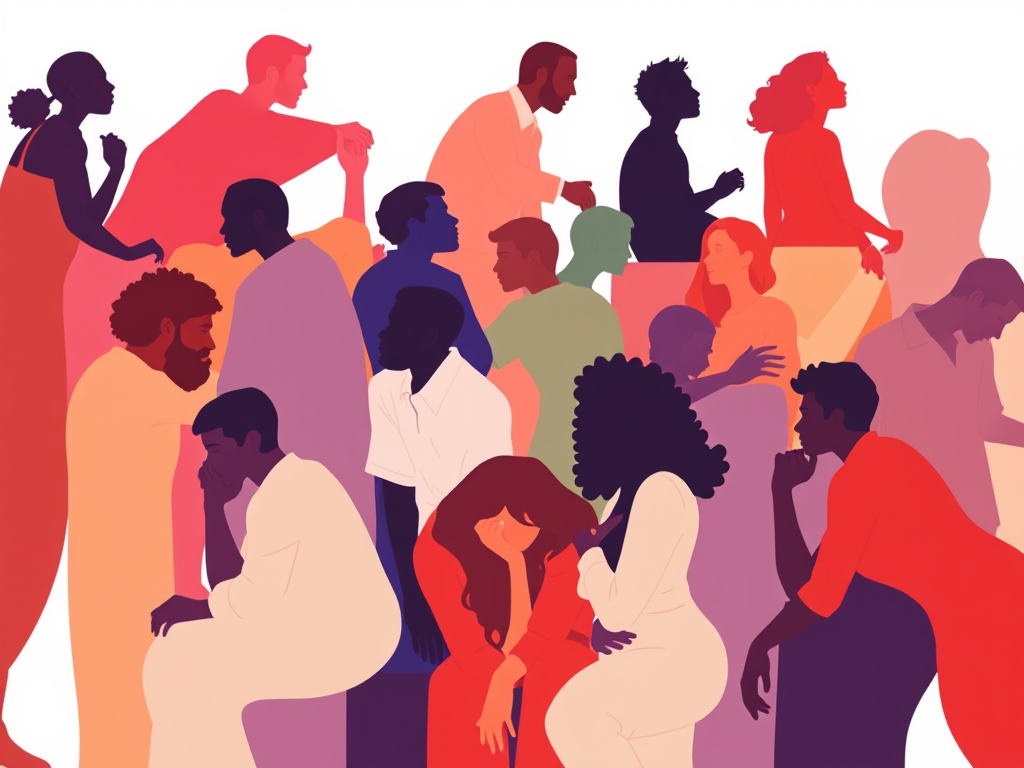
At our recent Lens on Strengths: Authentic Engagement & Participation training, we explored Will Schutz’s model – Inclusion, Control, Openness.
It helped name what people feel before they ever speak:
Do I belong here?
Do I have any influence here?
Is it safe – or brave – enough to be myself here?
Unless these questions receive a living “yes,” people won’t offer their gifts, take risks, or co-create meaningful change.
Schutz helps us see this clearly.
1. Inclusion – “Do I belong here?”

Strength-based practice begins with the belief that everyone has strengths, gifts, and potential – often untapped, often waiting for the right conditions.
But belonging isn’t created by an invitation alone.
When people enter a space, they instinctively scan:
• Who already belongs here?
• Is there space for someone like me?
• Will my story, culture or lived experience be respected – or tokenised?
For many communities, “Am I in or out?” is shaped by long histories of exclusion.
So inclusion isn’t “pull up a chair.”
It’s: How is the table set? Who set it? Are we willing to reset it together?
When inclusion is shaky, people stay on the edge.
When it’s met, the nervous system settles, curiosity rises, and people warm up.
Belonging is the first doorway to authentic engagement.
2. Control – “Do I have influence here?”

Many people know what it is to have systems tell them how to behave, when to speak, and what matters.
Strength-based relational practice flips this.
Honouring agency means:
• offering real choices
• sharing power where possible
• being transparent about limits
• valuing lived experience as expertise
If we over-control, we create restrictive, risk-averse culture.
If we under-control, people feel unsafe or lost.
The sweet spot:
Transparency + shared influence.
When people feel they can shape the work – even a little – engagement becomes co-creation.
3. Openness – “Can I be myself here?”

This is the heart of relational practice.
People want connection and meaning – but carry:
• past hurts
• personal and cultural messages about what can be spoken
• trauma
• professional masks that reward control over vulnerability
At the training, someone asked:
“How do we keep people safe if they open up?”
The honest answer from years of youth, community and healing work:
We can’t guarantee complete safety –
but we can create brave, caring spaces.
This looks like:
• building trust over time
• responding gently when people take small risks
• repairing when – not if – we get it wrong
• being transparent about intentions and limits
• normalising humanity and mistakes
• staying in relationship when coping roles appear
This is the dignity of risk – essential for depth, creativity, and genuine participation.
Openness needs trust.
Trust needs relationship.
Relationship needs time and intentional culture-building.
The tension many systems face
Most organisations swing between extremes:
Too risk-averse
• people shut down
• innovation dies
• engagement becomes performative
Too loose / unclear
• people become unsafe
• processes fracture
• conflict polarises
The middle space – brave boundaries –
is where:
• creativity emerges
• people take ownership
• change becomes possible
• co-design can move through the groan zone
This middle space is relational.
Messy.
Human.
And necessary.
Why Schutz matters for strength-based practice
Schutz gives us simple language for what we feel:
• Inclusion met → belonging
• Control shared → agency
• Openness supported → authenticity
When these needs are met, people shift from coping into:
• connection
• co-creation
• contribution
This is the centre of strength-based work – and the Soulgen ethos.
When unmet, we see:
• withdrawal
• anxiety
• frustration
• “going through the motions”
• the sense that something is off
When met, something quietly powerful happens:
People bring their gifts.
People surprise us.
People design and act together.
People heal – not alone, but in relationship.
And the work becomes meaningful again.
This is why, at Soulgen…
We focus on:

• creating the conditions for belonging, agency, and authenticity
• working relationally before working strategically
• co-design and co-production rather than top-down delivery
• circles, communities of practice, and living networks
• building social capital and mutuality, not ticking boxes
• warm-up and hosting before content
• deeper “vertical work” – the inner and relational shifts that enable connection and collaboration
Because methods are only as powerful as the relational field they sit in.
As Schutz, Moreno, Indigenous knowledge and thousands of community conversations remind us:
It’s new experiences in relationship that change people – not advice, not programs, not KPIs.
An invitation

As you read this, I’m curious:
What helps you work more relationally – and where do you notice the tension between safety and openness?
My hope is that as more of us choose this relational way – in councils, NGOs, schools, neighbourhoods, peer groups and systems – something new will continue to emerge (or perhaps something ancient will be remembered).
Not through the square, top-down lens of doing to,
but through the circular, human lens of doing with – and becoming together.
And maybe we keep asking:
What will it take for us – collectively – to lean in?
If you’re curious about deepening this work – in your organisation, community or practice – feel free to reach out. Soulgen exists to support people, teams and places to build the relational conditions that make participation real and strengths come alive.
We’re always learning together.
 Soulgen
Leave a comment