

When we talk about regional youth development, it’s easy to get stuck on the familiar list of challenges – boredom, long distances, substance use, limited activities, employment scarcity, family pressures, and service gaps. It’s a story many regional towns know by heart.
But what if the real opportunity lies not in what’s wrong, but in what’s strong – and what can be strengthened from the inside out?
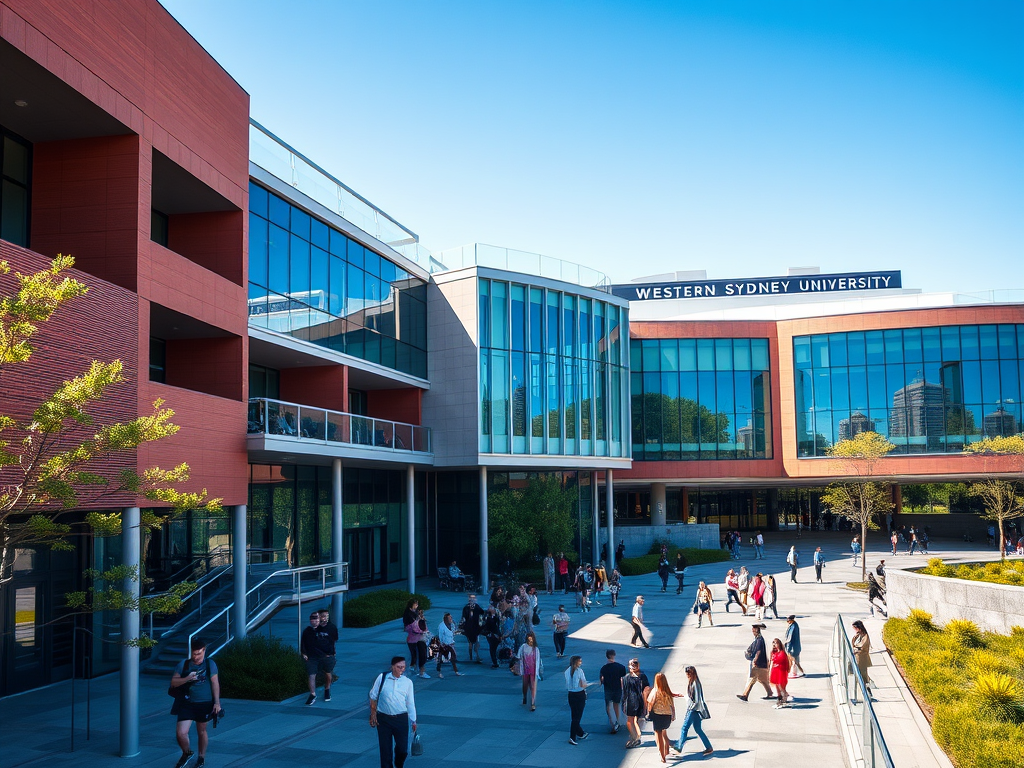
Last year, during the Lithgow Young Changemakers program and later at the Lithgow Youth Summit (supported by Lithgow City Council, the Planet Youth Consortium, the Western Sydney University Lithgow Transformation Hub, and the NSW Office for Regional Youth), that question came alive in a powerful way.
I was invited to facilitate a series of ABCD workshops where young people could make sense of Planet Youth wellbeing data – and, more importantly, transform it into something human, hopeful, and actionable.

Listening Beyond the Numbers
Data can tell us where we’ve been, but not always where we can go.
Around 40 young people from Lithgow High School and De La Salle gathered to explore local wellbeing and belonging data. But instead of treating the statistics as cold facts, we approached them as stories waiting to be rewritten.
Through games, poetry and image-based prompts, participants voiced what life in Lithgow feels like. They spoke of open skies and clean air, but also of boredom, limited options, and the pull of unhealthy distractions.
One group reshaped their feelings into a poem that began with a yawn –
“Lithgow can be boring…”
and ended with a spark –
“You can make many more choices by listening to all our voices.”
That shift – from complaint to creation – is where community development truly begins.
Turning Frustration into Fuel
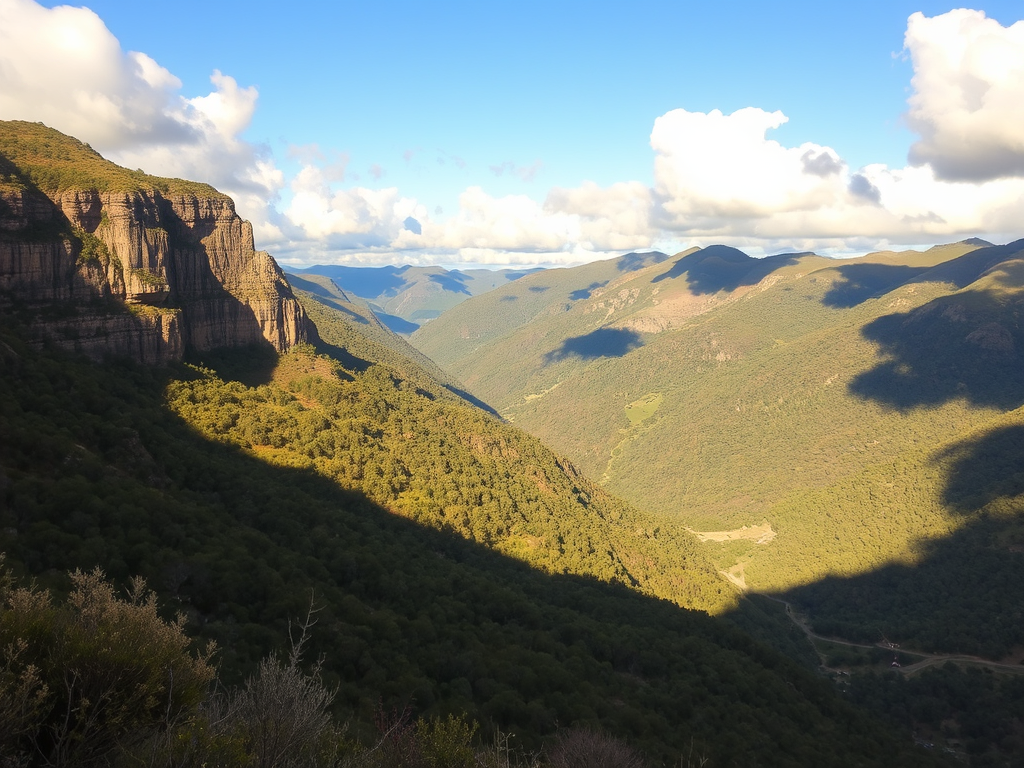
Another group created a symbolic “Garbage Bin” filled with what they wanted to leave behind: litter, violence, lack of spaces, and easy access to alcohol.
Yet even in naming what they rejected, they were already clarifying direction.
Out of that symbolic bin emerged a vision for:
• a youth café
• more music, sport, and culture
• open-air cinemas
• safe, inclusive, youth-friendly spaces
This is what I often call the art of transformation – turning deficits into design and problems into purpose. And Lithgow’s young people did this honestly without shying away from the raw, difficult conversations.
When they shared their truths openly – and then imagined alternatives – the energy shifted. The room became hopeful, playful, and full of possibility.
A Local Ecosystem in Motion
What made Lithgow special was not just the ideas – it was the ecosystem that held them.
Cristina, the Community Development Officer, also leading the youth portfolio, at Council; local artists and mentors; the Planet Youth Consortium; the PCYC; the community pool; school leaders; and the Western Sydney University Lithgow Transformation Hub all played a role in creating the conditions for young people to speak, share, and shape.
In many ways, the workshop wasn’t just a session.
It was a moment of relational praxis – a gathering where people across roles and institutions aligned around a simple principle:
Young people are not recipients of services – they’re partners in shaping place.
From Co-Creation to “Acting in Concert”

This is where Hannah Arendt’s thinking becomes so relevant.
Arendt describes action as the highest form of human activity – the spontaneous, free engagement of people coming together to deliberate and start something new. She calls this natality:
“We are free to change the world and start something new in it.”
When organisations create relational ecosystems – spaces where people move, connect, imagine, and create – they release energy often trapped within bureaucratic systems.
Arendt’s insight is powerful here:
“Power corresponds to the human ability not just to act, but to act in concert.”
Lithgow embodied this truth.
And here’s the beautiful part:
You don’t need to ask for permission to act in concert.
You just need relationships, purpose, and a shared moment to begin.
Students, council staff, mentors, educators, and community organisations were acting in concert – generating relational power rather than relying on positional authority.
Power grew as it was shared.
It turned barriers into movement.
It turned data into dialogue – and dialogue into momentum.
What We Learned Together

1. Keep the Warm-Up Human
Before seeking solutions, build warmth and connection. Creative play, images, and storytelling help people relax and relate.
2. Move From Consultation to Co-Creation
Data is a starting point. Young people must interpret it, critique it, and re-imagine it.
3. Make Participation Tangible
Let them see their ideas acted on – even small steps build trust.
4. Build Ongoing Structures, Not Just Summits
Youth action groups, networks, and consortiums extend the work far beyond any single event.
5. Map Assets, Not Only Issues
Local gifts, spaces, leaders, and stories fuel momentum.
6. Create Relational Ecosystems for “Acting in Concert”
This was Lithgow’s biggest lesson!
When councils, schools, mentors, youth workers, and young people come together relationally, new possibilities emerge.
Power becomes something we generate together – not something granted from above.
Innovation arises from the edges, from people closest to place and purpose.
This is where agency lives.
This is where transformation begins.
Beyond Lithgow: A Call to Regional Collaboration
Lithgow shows that regional youth engagement doesn’t need to feel small-town or transactional.
When partners work relationally – not just programmatically – they spark something that travels far beyond a single event.
Planet Youth brought evidence and direction.
Young people brought truth and creativity.
Local stakeholders brought trust, care, and continuity.
Soulgen helped hold the space and weave the threads together.
Together, we built a bridge between data and lived experience – a bridge any regional initiative can build.
A Living Invitation

Wherever you work – in councils, schools, networks, or community spaces – ask yourself:
How might young people lead the next conversation?
What would happen if we started with their strengths?
Which relationships need tending to allow action to emerge from the inside out?
As one Lithgow student reminded us, through laughter and rhyme:
“We can start with youth improvement – just by listening to all our voices.”
May we keep listening.
May we keep connecting.
May we keep creating – in concert.
✨ Author
Dimitrios Papalexis is the founder of Soulgen, a creative social enterprise working at the intersection of community development, action methods, and systems change. Soulgen supports councils, networks, and community organisations to build strengths-based, participatory, and place-conscious practice.
 Soulgen
Leave a comment