
How People Reconnect with Themselves Again After Rupture
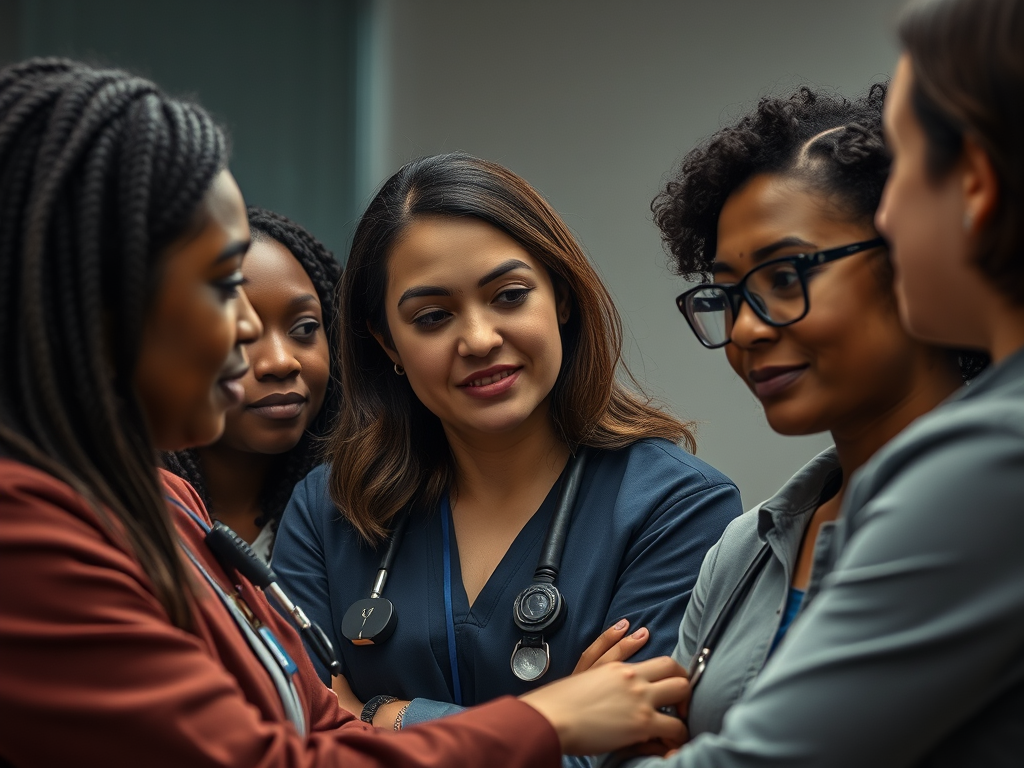
🌱 A Note Before You Read
Most people know my work through Asset-Based Community Development (ABCD), co-design, youth participation, social cohesion, and strengths-based practice.
But alongside this proactive, community-building work, I also walk with schools, councils, workplaces, and community organisations in the days and weeks after a critical incident.
Not in a clinical way.
But through counselling, psychodrama, and trauma-informed relational practice – the kind of work that helps people, teams, and communities find ground, coherence, and connection after rupture.
These two worlds – community-led change and post-crisis relational repair -aren’t opposites.
They exist on the same continuum.
Both require presence.
Both require warmth.
Both require courage.
Both ask us to meet people exactly where they are.
This article sits in that quieter space of repair – a space that deeply informs everything I do on the proactive side.
🌿 Being With, Not Fixing

It was a warm morning in Townsville, on my way to a special-education school for a critical-incident support visit, when I read a line from Rumi:
“Do not fear the future – nothing lasts forever.
If you dwell on the past or future, you will miss the moment.
What is planted in each person’s soul will sprout.”
In my work – stepping into rooms touched by grief, shock, sudden loss, or moments that shake identity – I return to one simple truth:
Nothing meaningful happens unless we meet people in the moment they’re in.
Not where we want them to be.
Not where a timetable says they should be.
Not where a system expects them to be.
But where they actually are.
🌾 Trauma Lives in the Now – and So Must We
After a critical incident, people often find themselves:
• numb or overwhelmed
• angry, confused, disoriented
• pulled into old memories
• isolated in their experience
• unsure what they are “supposed to feel”
We talk about fight, flight, or freeze – but what I witness most is this:
A person or gfoup of people trying to make sense of something that does not yet make sense.
The task is not to fix.
Not to analyse.
Not to rush them forward.
The task is simply to be with.
To slow the room down.
To soften the pace.
To bring warmth where the world suddenly feels cold or fragmented.
🌿 The Art of Being With

People often ask:
“Dimitrios, what do you actually do in these situations?”
After more than a decade in critical-incident response, here is the truth:
The real work is presence – not performance.
It looks like:
• listening without rushing
• letting myself be affected so they aren’t alone in it
• naming what is already in the room
• grounding energy when everything feels scattered
• co-regulating through breath, tone of voice, and pacing
• warming up gently to the story, the body, the moment
In psychodrama, we call this doubling – standing beside someone so they don’t face the moment alone.
Sometimes, the shift happens in a single sentence.
Sometimes in silence.
Sometimes, in acknowledging something unsaid.
This is not clinical work.
This is human work.
Heart-led work.
Courageous work.
🌊 Meeting Reality with Compassion

We can’t tidy grief.
We can’t erase pain.
We can’t magically transform rigid systems.
But we can offer something that strengthens people profoundly:
• unconditional positive regard
• empathy
• warmth
• companionship
Meeting someone without judgement or agenda creates the conditions for them to meet themselves again – gently, truthfully, in their own time.
Often, that alone is enough for something to soften inside.
🎭 When Talking Isn’t Enough: Psychodramatic Action
Trauma often shows up in the body before it shows up in language.
When words fall short, action helps:
• placing a chair to represent a feeling
• giving shape to something overwhelming
• anchoring an emotion with an object
• mirroring so someone sees themselves with new clarity
• breaking the freeze through gentle movement or role reversal
• using surplus reality to express truths that have no other doorway
These aren’t techniques for performance.
They are invitations for truth.
They help people unfreeze, integrate, reconnect , and heal without pushing.
🔥 Holding the Moment, Not the Solution

This work is sometimes compared to holding a space of confession –
a safe space where a person can finally speak a truth they’ve carried quietly.
But it’s never about fixing.
Or expertise.
Or charisma.
It’s about holding the moment so a person can hold themselves.
And in that sacred opening, something sprouts.
🤝 The Power of the Group

1-on-1 work is sometimes essential.
But group work after a critical incident is profoundly powerful.
A group allows people to:
• reconnect to themselves and each other
• co-regulate
• see they are not alone
• rebuild trust and mutuality
• recover together, not in isolation
This collective repair is often the biggest strength an organisation (or community) has – even more than professional expertise.
🌱 Why This Matters for Community Development & ABCD
People sometimes assume my crisis-response work sits separate from my ABCD, youth, co-design and social-cohesion practice.
It doesn’t.
Working across the full spectrum – from early intervention to post-crisis repair – deepens my understanding of:
• the pressures young people and communities carry
• the emotional realities beneath “engagement”
• why are belonging and safety inseparable
• how systems respond under stress
• what fractures workplaces and communities – and what rebuilds it
• the conditions required for genuine co-creation
If we want to build community, we must understand what breaks it.
If we want youth leadership, we must understand what silences it.
If we want participation, we must build relational safety first.
Everything is connected.
Whether I’m facilitating a youth summit, an ABCD workshop, a social-cohesion lab, or supporting a school after tragedy, the principle remains the same:
Be with people first.
Then build with them.
Or repair with them.
Everything grows from there.
🌿 A Final Note

Much of my critical-incident work comes through EAP pathways , but the deeper value sits beyond short, contained engagements.
This is not a plug.
It is naming a broader capability and need:
• post-crisis relational repair
• team and culture repair
• leadership development
• trauma-informed community practice
• restorative culture work
• psychosocial wellbeing
• facilitated meaning-making (narrative therapy) after rupture
These are services organisations and councils can engage directly –
and they sit at the heart of Soulgen’s mission:
To help communities reconnect with their strengths,
their voice,
their inherent capacity to heal –
and with one another.
 Soulgen
Leave a comment