
🌱 Introduction
There is a lot of strong thinking in the sector right now about place-based approaches, place strategies, social cohesion, participation, community development and systems change.
Across policy and practice, the language of “place” is far more common than it was even a few years ago.
The term place-based leadership is also already in use in academic and policy literature. It is generally understood as leadership that is relational, cross-boundary and grounded in a specific place, rather than held only through formal authority or a single organisation. Work from the OECD similarly highlights leadership as part of how local actors coordinate, engage and enable change.
That matters. It tells us this is not a passing trend. It names something real.
At the same time, in everyday practice, it is still often underexplained.
We speak about working in a place.
We speak less clearly about how we lead with a place.
That is where this becomes useful.
🌿 From ABCD to Place-Based Leadership
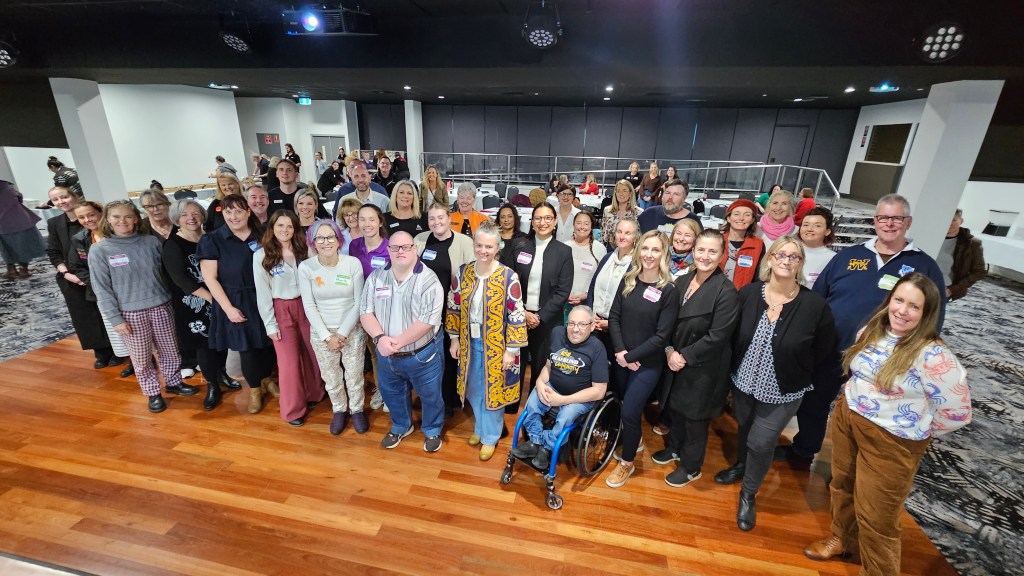
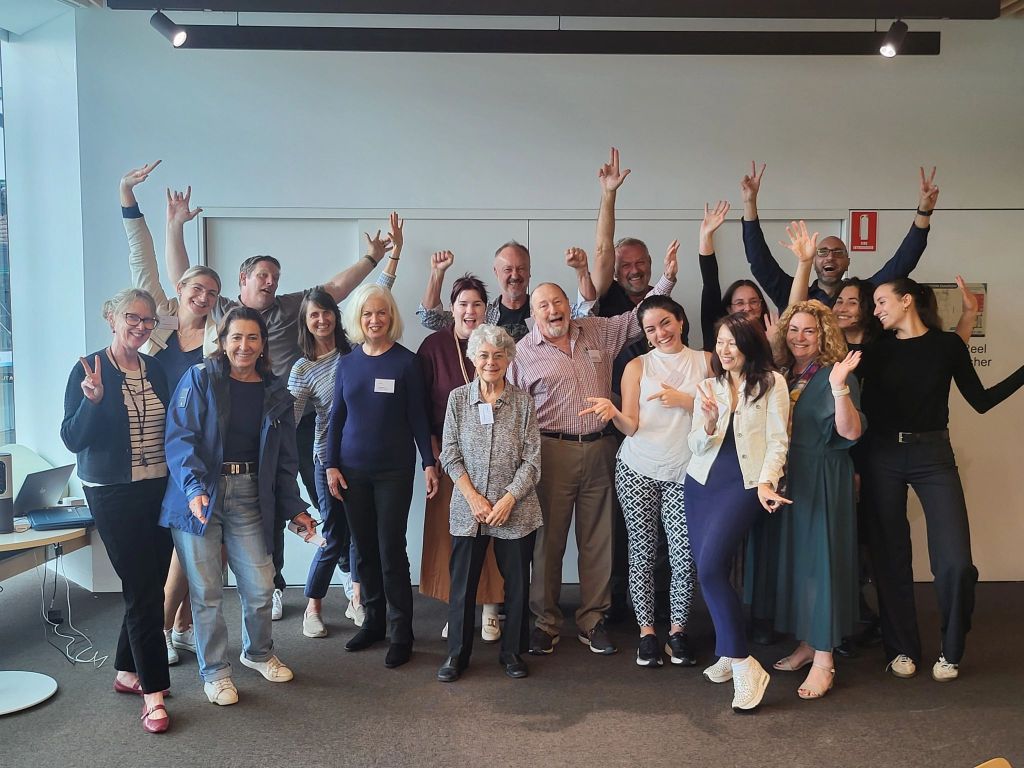
For many years, my work has been grounded in Asset-Based Community Development (ABCD) – supporting participation, strengths and community-led action.
That still sits at the heart of how I work.
What has evolved over time is the recognition that while ABCD is powerful in activating participation and stewardship, it does not always address how systems, institutions and sectors come together to work differently around a place.
Place-based leadership feels like the next step in that evolution.
It brings together:
- community-led practice
- cross-sector collaboration
- shared decision-making
- and a more coherent way of working across a place
🔄 A Simple but Important Shift
A distinction I keep returning to is this:
- Place-based approaches focus on working in a place
- Place-based leadership focuses on how we lead with a place
It sounds subtle.
But it changes a lot.
A place-based approach can still become programmatic – driven by timelines, funding cycles, consultation rounds and service coordination.
Useful – but not yet alive.
A strategy can sit on paper.
A project can be delivered well.
An investment can look strong.
But none of these guarantee that trust, relationships and local leadership are actually growing.
Place-based leadership brings us back to a more human question:
How is trust built, leadership shared, and responsibility held in this place over time?
🧱 Strategy Matters – But It Is Not the Same as Practice
When organisations talk about place-based work, they are often referring to strategy:
- defining a place
- aligning stakeholders
- coordinating services and infrastructure
- planning growth and investment
This work matters.
But strategy is not the same as practice.
A place can be well designed physically and still feel thin relationally.
A plan can be sound, while ownership remains weak.
Engagement may occur, yet people still experience themselves as recipients.
This is the gap.
Many place-based efforts are strong on structure
and lighter on relationships.
And that gap is where good intentions fall short.
🌐 What Place-Based Leadership Actually Means
For me, place-based leadership is:
Systems leadership grounded in place, activated through relationships.
It is not:
- owned by one person
- held only by a council
- a steering group alone
- consultation alone
- or individual champions working in isolation
It is:
- shared
- distributed
- relational
- lived
It grows through trust more than title.
It emerges through participation, not appointment.
It is carried through relationships, not just structure.
🌿 A Place Is Held by an Ecosystem
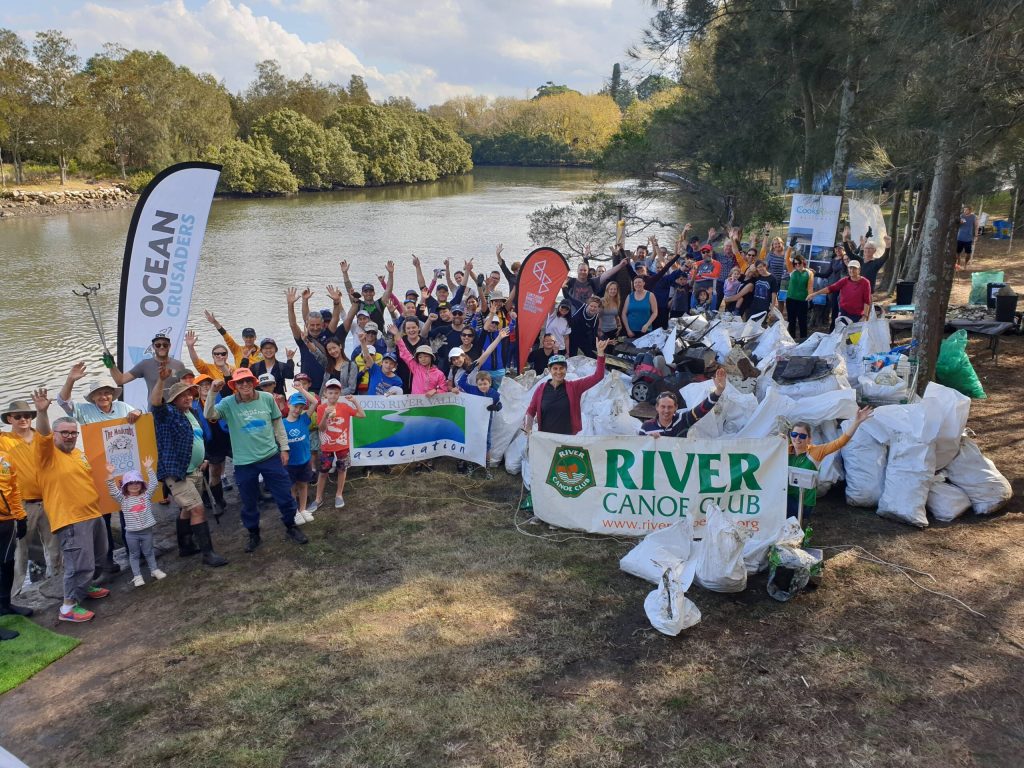
Strong place-based work is held by a mix of actors:
- Councils bring resources, legitimacy and leverage
- Communities bring trust, lived experience and continuity
- Local organisations and businesses bring reach and connection
- Facilitators and connectors help activate participation and relationships
- Informal leaders carry influence and knowledge that systems cannot manufacture
Place-based leadership lives between these roles, not inside one.
So the question is not:
Can councils lead place-based work?
They can – and often do.
The better question is:
How can councils contribute without trying to own it?
🔁 From Participation to Leadership
A pathway I see clearly in practice is:
Participation → Stewardship → Place-Based Practice → Place-Based Leadership
- Participation brings people in
- Stewardship builds care and responsibility
- Practice shifts how systems work
- Leadership becomes shared and sustained
Engagement alone is not enough.
Engagement may shape a strategy.
But stewardship and shared leadership sustain it.
🧩 Planning Shapes the Space. Participation Brings It to Life
There are two layers of place:
- The form of the place
infrastructure, design, services, planning - The life of the place
relationships, participation, leadership, stewardship
The first is visible and structured.
The second is often assumed or under-supported.
But the second layer determines whether the first actually works.
Planning shapes the space.
Participation brings the place to life.
Place-based leadership helps hold that life together.
☕ What Dottie Taught Me
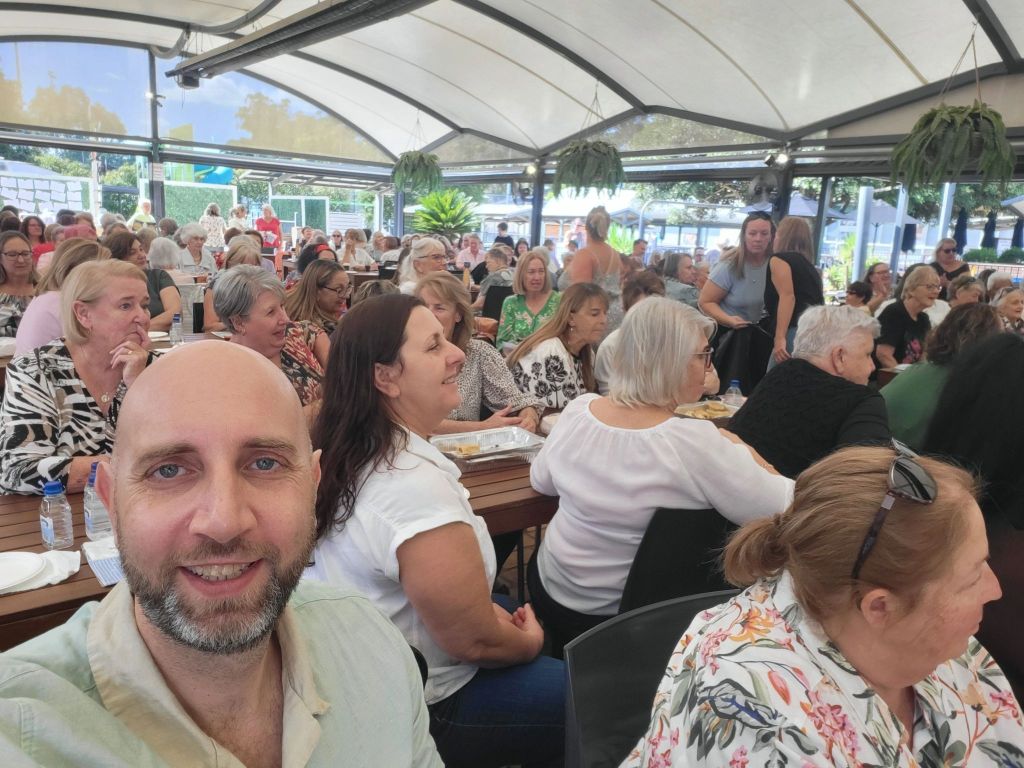
At Dottie’s Biggest Morning Tea, I saw something powerful.
A packed room.
Volunteers. Sponsors. Conversations. Care. Connection.
What began as one person’s response had become something shared.
That is not just stewardship.
That is place-based leadership.
Not owned.
Not controlled.
But carried.
🔥 The Role of Facilitation
I don’t see myself as the long-term leader of a place.
What I do is help activate the conditions where leadership can emerge.
That includes:
- surfacing strengths and relationships
- warming people up to participation
- connecting different parts of the system
- creating spaces for trust and shared ownership
The pattern I see is:
Spark → Carry → Hold
- A facilitator sparks
- A group carries
- A place holds
🎭 Why Experiential Work Matters
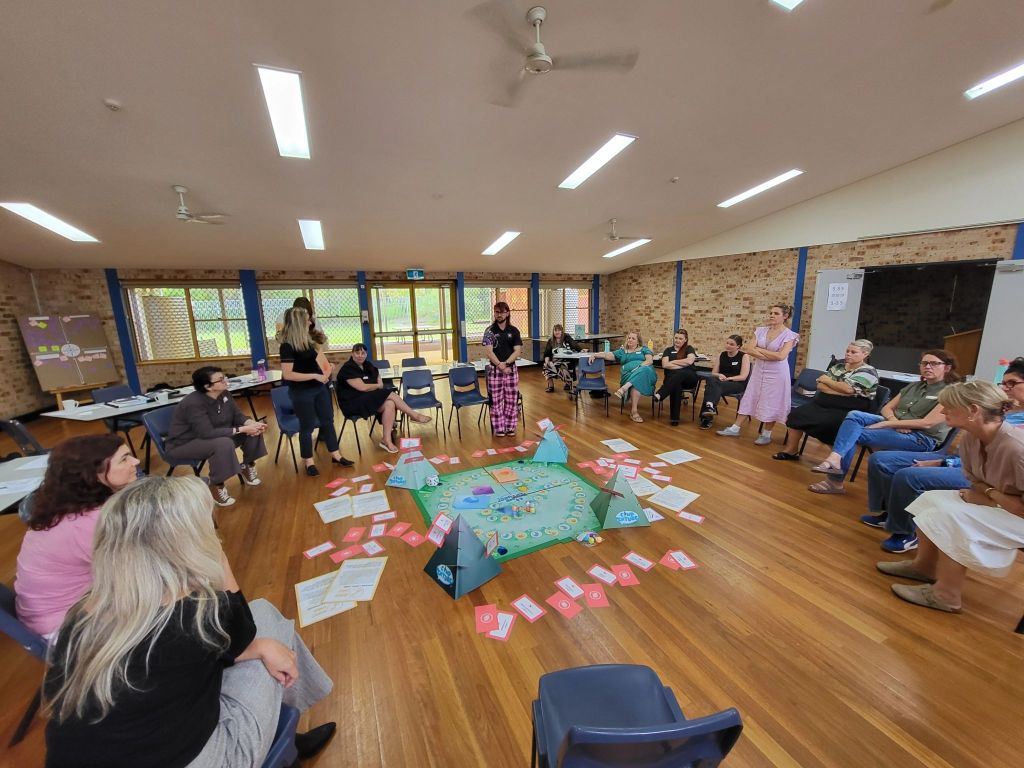
Place-based leadership is not just conceptual.
It is relational, embodied and lived.
People need to experience it.
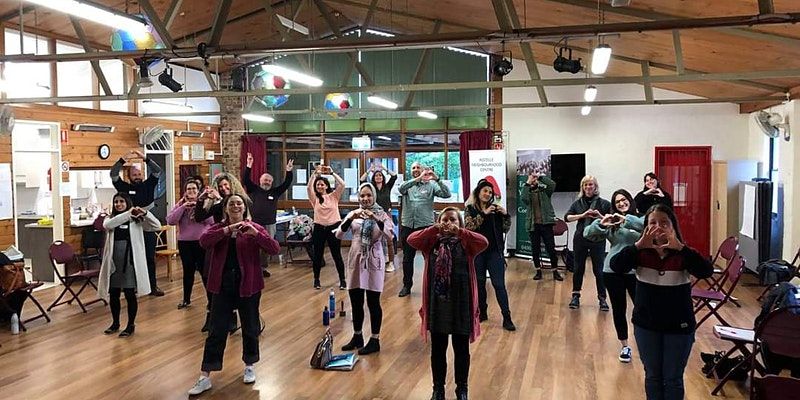
That is why sessions like Place Matters are designed as experiential spaces, not just presentations.
Because people don’t just need to understand this work.
They need to feel what it is like when it is happening.
🌟 Starting With What’s Strong
A place is often more capable than systems recognise.
So I still return to the question:
What is already strong here?
Not as denial of challenge.
But as a starting point.
Because:
- strengths build trust
- trust builds participation
- participation builds ownership
- ownership builds leadership
🛠 What This Can Look Like in Practice
One of the challenges with place-based leadership is that it can feel abstract.
So what does it actually look like?
It can take many forms. The name is less important than the way of working.
In different places, it might look like:
- a community of practice connecting stakeholders
- a systems convening space across sectors
- a collective impact or partnership model
- a place-based working group or steering group (when done well)
- a network of local connectors or community leaders
What matters is:
- who is included
- how power is shared
- whether trust is built
- whether community leadership is real
- whether systems adapt to the place
Often, this work needs:
- someone to convene across stakeholders
- support to build shared language and trust
- space for participation to grow into stewardship and leadership
In some cases, this role is held internally within council or a partner organisation.
In others, an external facilitator or intermediary can support convening, capacity building and setting up the conditions for shared leadership to emerge.
Funding can come from many places:
- social cohesion initiatives
- community development funding
- grants (government or philanthropic)
- existing programs organised in a more place-based way
- cross-sector partnerships
The key shift is not where funding comes from,
but how the work is organised and held in a place.
🧭 What This Means in Practice
For councils:
→ move beyond consultation to enabling shared leadership
For organisations:
→ move beyond delivery to supporting participation and stewardship
For communities:
→ move from feedback to co-holding the place
For facilitators:
→ move from running processes to activating leadership
🌊 A Final Thought
Many initiatives focus on:
what should happen in a place
I am more interested in:
how people come together to hold what happens
Because that is where:
- participation continues
- stewardship grows
- leadership emerges
- strategies become lived
Not just working in a place.
But learning how to lead with it.
🔗 If You’re Interested
This thinking sits behind the design of Place Matters – an experiential session exploring participation, stewardship and shared leadership in place.
If you’re interested in bringing this into your work, organisation or community, feel free to get in touch
 Soulgen
Leave a comment