
Appreciative Inquiry (AI) isn’t something we teach – it’s something we experience.
When people discover how different it feels to talk about what gives life, rather than what’s wrong, they start to see change begin immediately.
Whether you’re working with young people, community leaders, or organisational teams, here’s a simple guide to help you facilitate your own AI workshop.
If you’re new to Appreciative Inquiry or want to understand its philosophy and origins, you can read our companion article: Appreciative Inquiry: Asking What’s Strong to Inspire What’s Possible – an introduction to the ideas, stories, and global movements that continue to shape this approach.
1️⃣ Set the Scene – Create a Safe, Curious Space

Begin by explaining that AI is about asking questions that generate energy, connection, and imagination.
Encourage participants to listen deeply and stay curious.
A good opening line is:
“This is not about ignoring problems – it’s about discovering what already works and how we can build on it.”
Warm-up idea: ask everyone to share a moment they felt proud of their community or team.
2️⃣ Show the Shift – From Problem to Possibility

Do a quick contrast exercise:
- In groups, ask: “What’s wrong with youth participation in our area?”
- Then ask: “When have you seen young people truly engaged and leading change?”
Discuss how the energy changes between the two conversations.
This is the ‘aha’ moment that shows what AI is all about.
3️⃣ Introduce the 4-D Cycle

Use a simple visual or flip chart:
Discovery – Appreciate the best of what is.
Dream – Imagine what could be.
Design – Decide what should be.
Destiny (or Deliver) – Create what will be.
Give short examples at each stage – from your own practice, or from successful local and international initiatives – so participants can clearly visualise how the process unfolds in real life.
4️⃣ Pair Interviews – The Heart of AI
Give participants a few appreciative questions such as:
- “Tell me about a time you felt proud of being part of this group or community.”
- “What was happening that made it special?”
- “What do you love most about your community or team?”
- “What would you love to see more of?”
Let them interview each other, then share highlights in a group.
Notice how the atmosphere shifts – energy rises, smiles appear, and new ideas surface.
5️⃣ Map the Bright Spots

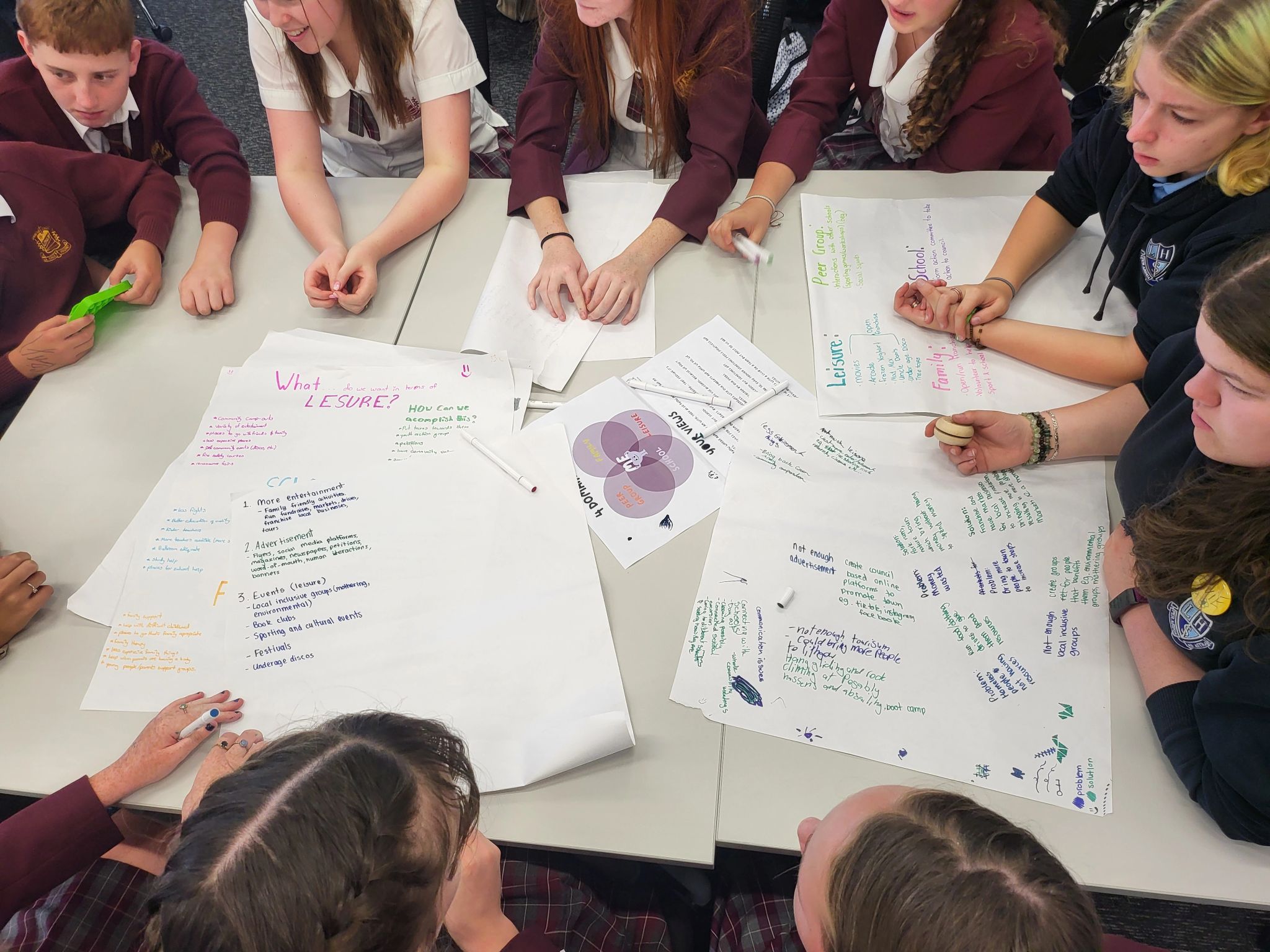
After sharing, capture themes on a whiteboard or mural.
Ask:
“What gives life to our system?”
“What are we most proud of?”
This visual reflection becomes the starting point for collaborative action.
6️⃣ Move Toward Action
Invite participants to explore the SOAR framework:
- Strengths – What can we build on?
- Opportunities – What are our stakeholders asking for?
- Aspirations – What do we care deeply about?
- Results – How will we know we’re succeeding?
Have small groups identify one aspiration and brainstorm first steps or projects.
7️⃣ Reflect and Close the Circle

- What stood out for you?
- What question will you take back to your team or community?
Close with a group reflection:
End with one of David Cooperrider’s quotes:
“We live in worlds our questions create.”
And perhaps remind them, as I often say:
“Language is power – when we name what’s strong, we make it stronger.”
🌼 Optional Activities
- Words Create Worlds: give pairs cards with contrasting words (problem/challenge, client/citizen, weed/flower) and discuss how language shapes perception.
- Appreciative Gallery Walk: post the themes or stories gathered during interviews and let participants walk around, adding reflections or drawings.
💬 Tips for Facilitators

- Keep it participatory – focus on stories and conversation, not theory.
- Use real examples from the group’s experience.
- Track the energy – it’s your best indicator of learning.
- Link AI to other approaches you use: ABCD, codesign, restorative or trauma-informed practice.
- Always close with appreciation – ask, “What are you taking away that gives you hope?”
✨ Final Note
Teaching Appreciative Inquiry is really about reminding people that hope is method.
When we ask better questions, we don’t just change conversations – we change what communities believe is possible.
#AppreciativeInquiry #ABCD #CommunityDevelopment #YouthParticipation #Facilitation #CollectiveImpact #Soulgen
Leave a Reply