

I notice the person standing at the edge of the room. I get curious about the locked garden, the underused hall, the young person quietly shuffling a deck of cards while everyone else talks. I want to know what people care about, what they’re good at, and what might become possible if the right people, gifts and resources found one another.
Later, I learned there was a name for this: community development.
Lately I’ve wondered whether we’re forgetting what it actually is. “Community” is now everywhere: brand communities, engagement strategies, consultations, community programs. None of that is necessarily wrong, but it isn’t all community development.
What community development is (and isn’t)
Community engagement usually starts with something an organisation or government wants to ask, test or create. Community development starts somewhere else: with people, their relationships, stories, frustrations, ideas and hopes for the place they call home.
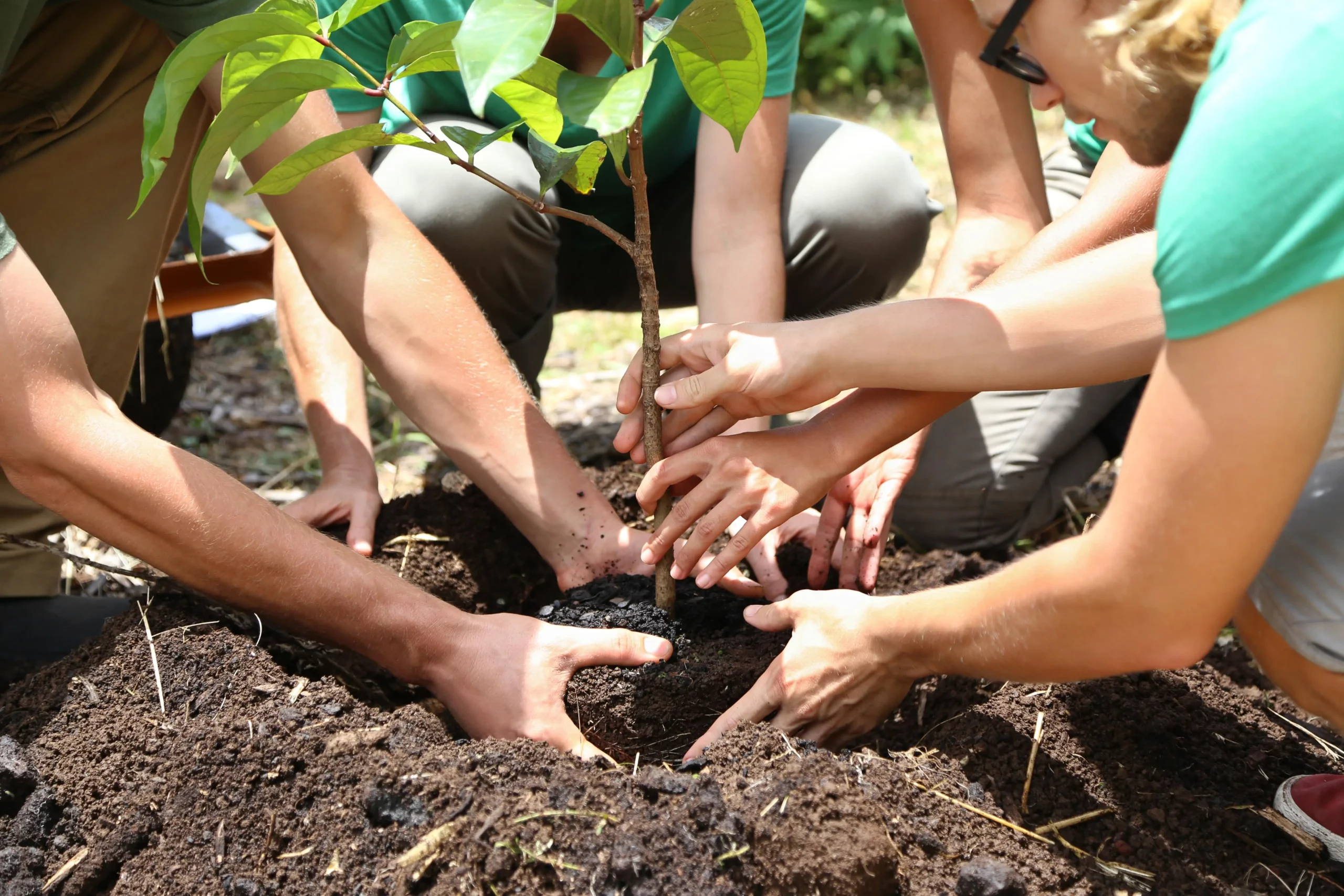
It asks what matters to people, what is already strong, who is connected and who is at the edges. Then it asks what organisations and institutions could do to support local leadership. It isn’t arriving with the answers and delivering another program. It’s working alongside people so they can connect, participate, lead and influence what happens in their own community.
I’ve seen this work on social housing estates, along the Cooks River with environmental changemakers, in inner west suburbs, in small regional towns and overseas. The settings change. The pattern doesn’t.
Community development as a treasure hunt
Our service system is understandably focused on needs, risks and gaps. Those questions matter. But they aren’t the only ones we can ask. We can also ask who grows food, fixes bikes, cooks for a crowd, writes poetry, or knows everyone on the street. Which local business might contribute? What space is sitting unused? What do young people care about that adults are missing?
That’s asset mapping: not a directory of services, but a way of discovering what a community already holds. I think about five kinds of assets:
- Gifts of individuals: skills, knowledge, passions, cultural wisdom, and the knack of making others feel welcome.
- Associations and informal groups: sports clubs, faith communities, parent networks, book clubs, people who meet for coffee.
- Institutions and organisations: schools, libraries, councils, health services, with their spaces, staff, networks and funding.
- Physical and environmental assets: parks, gardens, halls, streets, waterways, even temporarily empty buildings.
- Local economy and exchange: businesses, markets, social enterprises, and the informal sharing of food, tools, transport and help.
- Stories, culture and local history run through all five. But identifying assets is only the beginning. The real work is helping them find one another.
What this looked like in Villawood

Villawood had been called a “forgotten suburb” in the media. Spend time there, knock on doors and listen, and you found gardeners, cooks, tutors, artists and practical helpers, all willing to contribute if someone bothered to ask.
There was a community garden, but it was locked and used by only a few people. We got it unlocked. Bunnings contributed tools, and residents brought knowledge and energy. Then residents told us, “We don’t see children playing anymore.” We could have logged that as a finding in a consultation report. Instead, during the school holidays, we invited local children and families to paint the garden fences.
Suddenly there were children in the garden again. Parents followed, neighbours wandered over, and the place became colourful, noisy and alive. Nothing revolutionary happened that afternoon, and yet something did: people had another reason to be together.
When we opened the community centre as a whole-community space, things started happening that we hadn’t planned: a food exchange, bicycle groups, tutoring, people greening each other’s yards. Fiona had a pumpkin, Fatima had recipes, Ally had trained as a chef overseas. Pumpkin plus recipes plus chef sounded like lunch to me. 😊
It doesn’t replace services
Community development is not an excuse to withdraw resources and tell communities to sort it out themselves. As relationships grew, the centre became a trusted place where residents could connect with housing, health, mental health, alcohol and other drugs, disability and NDIS support.
One resident, Prashad, was experiencing depression. As we got to know him, we found something that wouldn’t appear on a referral form: gardening made him happy. The garden gave him purpose, people and a way to contribute. He also had professional support, including a support worker and a phone to stay in touch with family in India. He needed both.
It’s wellbeing work
Loneliness isn’t only an individual problem, and belonging can’t be delivered as a service. It grows through repeated experiences of being seen, welcomed and valued: when someone learns your name, and when people ask what you can offer, not only what help you need. A garden, a shared meal or a mural may look like the “soft stuff,” but they build friendship, confidence, trust and purpose. The outcomes aren’t less serious because relationships helped produce them.
Young people are not the target audience

Too often adults design everything and invite young people in after the decisions are made. In Villawood, a local mural was tagged. We could have focused only on removal and surveillance. Instead we got curious, and partnered with Street University and artist Mistery to create opportunities for young people to develop their skills. They painted a mural, exhibited their work, and asked whether they could build careers in creativity, which helped spark a creative careers program with Liverpool Council.
Then there was the very shy young magician who walked into Cabramatta Whitlam Library holding a deck of cards. Rather than deciding what he needed, we noticed what he already loved. He went on to perform at a youth-led exhibition and a community expo. He wasn’t just attending a program anymore. He had a gift other people valued.
Place-based work takes time
Housing, transport, education, employment, safety, culture and belonging meet in the same neighbourhood. Real place-based work means time, consistency and collaboration, with residents, councils, agencies, schools and businesses learning together. It isn’t putting several services in one postcode. It’s being willing to listen, adapt, share influence and support local leadership. Trust can’t be rushed, and neither can belonging.
Starting early in new places
- Facilitating asset mapping and community-led planning
- Training staff and volunteers in community development practice
- Designing engagement that builds leadership, not just feedback
- Supporting place-based initiatives in new and established neighbourhoods

We often build the houses first and think about community later. People can live a few doors apart and stay strangers. What if community development began early? First residents could welcome later arrivals. A display centre could become a meeting place, an empty block could host a pop-up gathering, and young people could help shape public art and local stories. We could map the assets of an emerging community as people arrive, not just the deficits that appear later.
Active citizenship, and an art worth remembering
At its heart, community development is people power. It’s everyday democracy: expressing ideas, listening across difference, negotiating priorities and acting together. Strong communities aren’t places where everyone agrees. They’re places with enough trust to work constructively with difference
It is strategic work, but also an art: noticing the emerging leader, the tentative conversation, the unlikely connection, and creating enough structure for something to begin while leaving room for the unexpected. That’s hard in systems that want every outcome predicted up front. But if everything must be designed and delivered by professionals, how much room have we left for community?
Want to learn how to apply Asset-Based Community Development (ABCD), bring young people’s gifts and community assets to life, and build belonging? Join Lens on Strengths: Youth, Belonging and ABCD, our signature training this November.
Find out more and book your place
Working together

I work with councils, housing providers, community organisations, environmental groups and schools as a consultant, facilitator and trainer. That can mean:
If you’d like to explore what’s possible in your community or organisation, get in touch!
Leave a Reply